Joe Louis KOs Max Baer, Claims Division Without Belt
Joe Louis knocked out Max Baer in four rounds at Yankee Stadium, proving he ruled boxing's heavyweight division without holding the title.
This article was generated with AI assistance and reviewed by our editorial team.
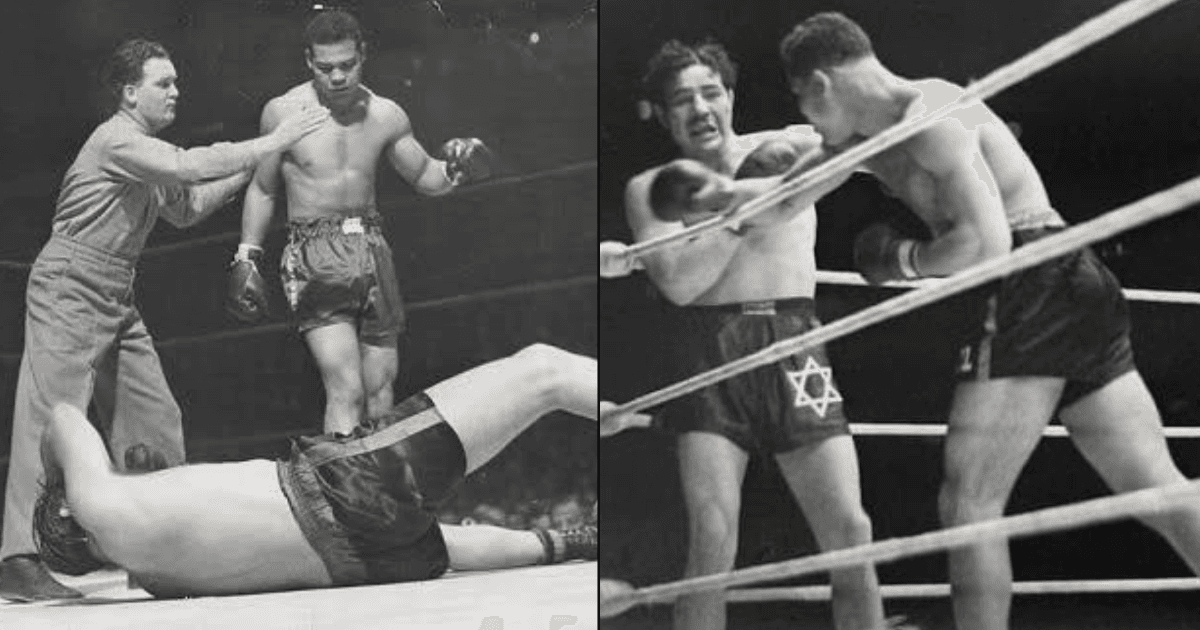
Joe Louis knocked out Max Baer in four rounds at Yankee Stadium on September 24, 1935, a historical result that settled boxing's biggest lingering question about the young heavyweight and reshaped the division's power structure even though Louis didn't hold the title.
Louis came in unbeaten at 24-0 after stopping former champion Primo Carnera and King Levinsky, but neither win had fully convinced skeptics he could handle a legitimate top-tier puncher. Baer, who had lost the heavyweight championship to James J. Braddock just three months earlier in an upset widely blamed on poor preparation, still carried a reputation as one of the most dangerous punchers in the sport. He'd stopped Max Schmeling, battered Carnera to win the title, and had a prior fight with Frankie Campbell end in Campbell's death. Nobody knew what would happen to Louis the first time a puncher with that kind of pop and menace landed clean on him.
He never got the chance to find out. Louis closed distance in short steps, beat Baer to the target with tight, compact combinations, and took away the room Baer needed to load up his right hand. Baer fought hurt, dealing with fractured knuckles in his right hand and a bone chip in his left wrist after skipping a recommended surgery, and a rain delay wore off the Novocain that had been masking the pain. But the injuries explained his lack of offense, not his inability to defend himself.
Louis dropped Baer twice in the third round, the first knockdowns of Baer's career, then finished him with a knee-buckling combination in the fourth. Referee Arthur Donovan counted him out at 3:09. Baer later said he could have gotten up but didn't see the point.
What the Baer Win Actually Proved
The result didn't hand Louis a title, Braddock still held the belt, but it made clear that owning the championship and controlling the division were two different things. Louis had now blown through Carnera, Levinsky and Baer in a span of three months, a run of dominance that outweighed anything happening in the actual title picture. It still took him two more years and a recovery from a 1936 knockout loss to Schmeling before he got his shot at the crown, but by the fall of 1935 anyone paying attention already knew who the best heavyweight in the world was.
The fight also drew 84,831 paying fans and a gate of $932,944 in the middle of the Great Depression, with radio and film revenue pushing the total past $1 million. That kind of number answered a separate question hanging over Louis's rise: whether a Black heavyweight could be the sport's top draw, not just a title contender. His team had built a careful, quiet public image around him specifically to avoid the backlash Jack Johnson had faced a generation earlier. The Baer performance made that strategy almost beside the point. Fans didn't need a narrative. They just watched him take apart the most feared puncher left in the division.
For bettors, the lesson from nights like this one is timeless: a puncher with a reputation is not the same as a puncher with a plan. Baer had the power on paper and the name recognition to draw a massive gate, but Louis's ability to control range and timing turned a supposed toss-up into a lopsided mismatch. It's the same gap oddsmakers still try to price today between fighters who look dangerous and fighters who are actually built to win rounds.
Frequently Asked Questions
When did Joe Louis knock out Max Baer?
Joe Louis knocked out Max Baer in the fourth round at Yankee Stadium on September 24, 1935.
Did Joe Louis win the heavyweight title by beating Max Baer?
No, James J. Braddock still held the heavyweight championship at the time; Louis did not win the title until defeating Braddock nearly two years later.
What was Max Baer's condition going into the fight with Joe Louis?
Max Baer fought with fractured knuckles in his right hand and a bone chip in his left wrist, having declined recommended surgery before the bout.