Marco Antonio Barrera vs Prince Naseem Hamed: The Upset
How Marco Antonio Barrera upset Prince Naseem Hamed in 2001, ending his unbeaten run and offering a lasting lesson for bettors.
This article was generated with AI assistance and reviewed by our editorial team.
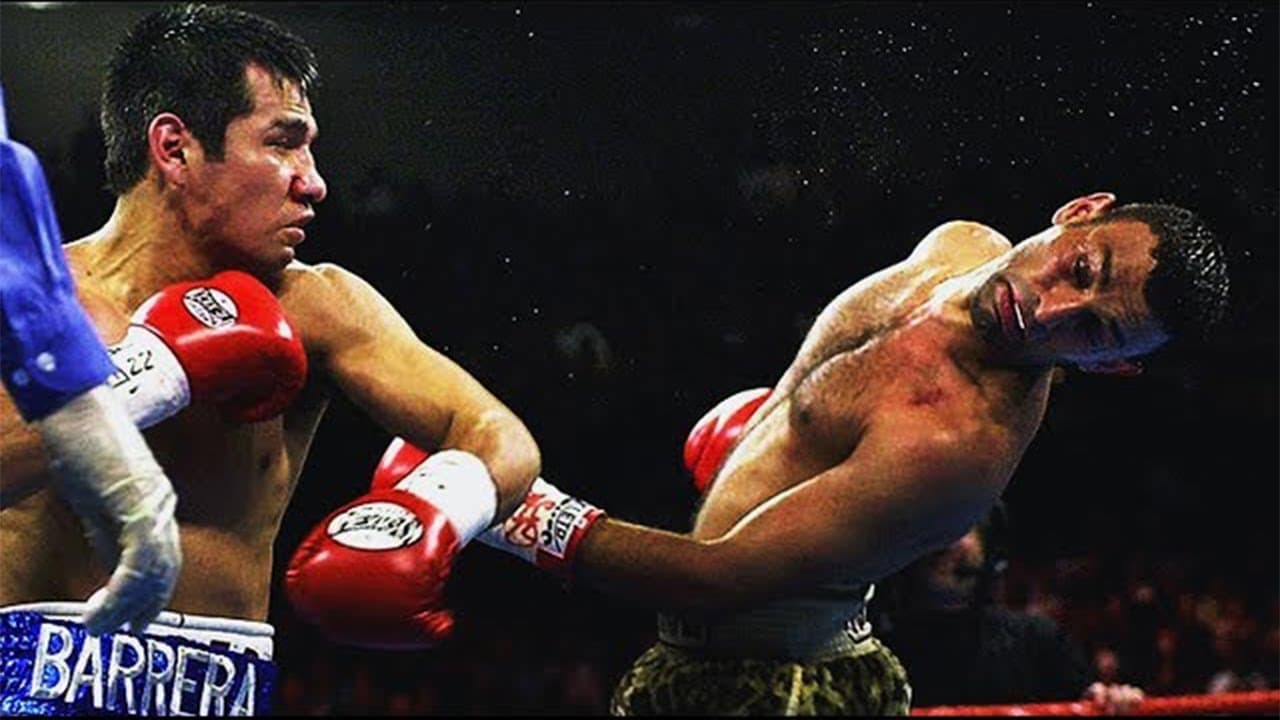
Marco Antonio Barrera beat Prince Naseem Hamed by unanimous decision on April 7, 2001, handing the previously unbeaten featherweight star the first loss of his career in one of boxing's most instructive stylistic upsets.
Hamed walked into the MGM Grand Garden Arena in Las Vegas at 35-0 with 31 knockouts and left as a 3-to-1 betting favorite turned cautionary tale. Barrera, moving up four pounds as the reigning WBO super bantamweight champion at 52-3, was supposed to be the naturally smaller man walking into Hamed's power. Instead he walked away with the vacant IBO and lineal featherweight titles by scores of 116-111 and 115-112 twice.
How Barrera Solved Hamed's Style
Barrera won by refusing to fight the fight Hamed wanted. Hamed had built his 35-0 record on awkward southpaw angles and one-punch power that overwhelmed smaller featherweights who tried to stand and trade. Barrera never gave him that opponent. He worked from mid-range, slid to his left to take away Hamed's rear hand, and consistently planted his lead foot outside Hamed's front foot before firing his straight right, a positioning trick that forced Hamed to leap to land his own left hand instead of stepping into it.
That single adjustment changed the whole fight. Every lunging left hand left Hamed off balance, and Barrera's jab, aimed at the chest and chin, punished Hamed's habit of leaning straight back rather than slipping punches with his head. Hamed also had no answer up close. He was used to shoving smaller men off to create punching room, but Barrera controlled the clinches and never gave him that space.
The Turnbuckle Moment and the Bigger Picture
Barrera delivered the fight's signature moment in the 12th round, trapping Hamed's arms and driving his face into the corner turnbuckle, a foul that cost him a point from referee Joe Cortez but never threatened the outcome on the cards. Hamed later cited hand injuries as part of his decline, and he had genuinely dealt with hand trouble across his career, but that explanation never accounted for his inability to control range, fight inside, or adjust once his left hand stopped working. Barrera did not just win. He beat Hamed's style at its foundation, including the theatrical ring walks and staredowns Hamed had always used to unsettle opponents before the opening bell.
Hamed fought only once more, a win over Manuel Calvo in May 2002, before walking away from the sport for good.
Why This Fight Still Matters for Bettors
The Barrera-Hamed line is one of the clearest historical reminders that power and an unbeaten record do not automatically buy safety against a technically sound boxer with a specific game plan. Hamed was a 3-to-1 favorite built almost entirely on highlight-reel knockouts against opponents willing to brawl with him. Barrera's camp identified the exact habits, the backward lean instead of head movement, the discomfort in close, the reliance on one home-run left hand, and built a fight plan around exploiting them rather than matching power for power. For anyone pricing style matchups today, it is still the textbook case for discounting a gaudy knockout record when the betting markets have not adjusted for how a fighter performs against someone who refuses to give them a firefight.
Frequently Asked Questions
Who beat Prince Naseem Hamed and handed him his first loss?
Marco Antonio Barrera beat Prince Naseem Hamed by unanimous decision on April 7, 2001, in Las Vegas, handing Hamed the first loss of his 35-0 career.
What titles were on the line in Barrera vs Hamed?
Marco Antonio Barrera won the vacant IBO and lineal featherweight championships by defeating Prince Naseem Hamed on the scorecards, 116-111 and 115-112 twice.
Did Prince Naseem Hamed fight again after losing to Barrera?
Prince Naseem Hamed fought only once more after the Barrera loss, defeating Manuel Calvo in May 2002, before retiring from boxing.