Paddy Pimblett Sees Heavyweight Future After Retirement
Paddy Pimblett says he expects to weigh as much as 250 pounds and compete at heavyweight once he retires from the UFC.
This article was generated with AI assistance and reviewed by our editorial team.
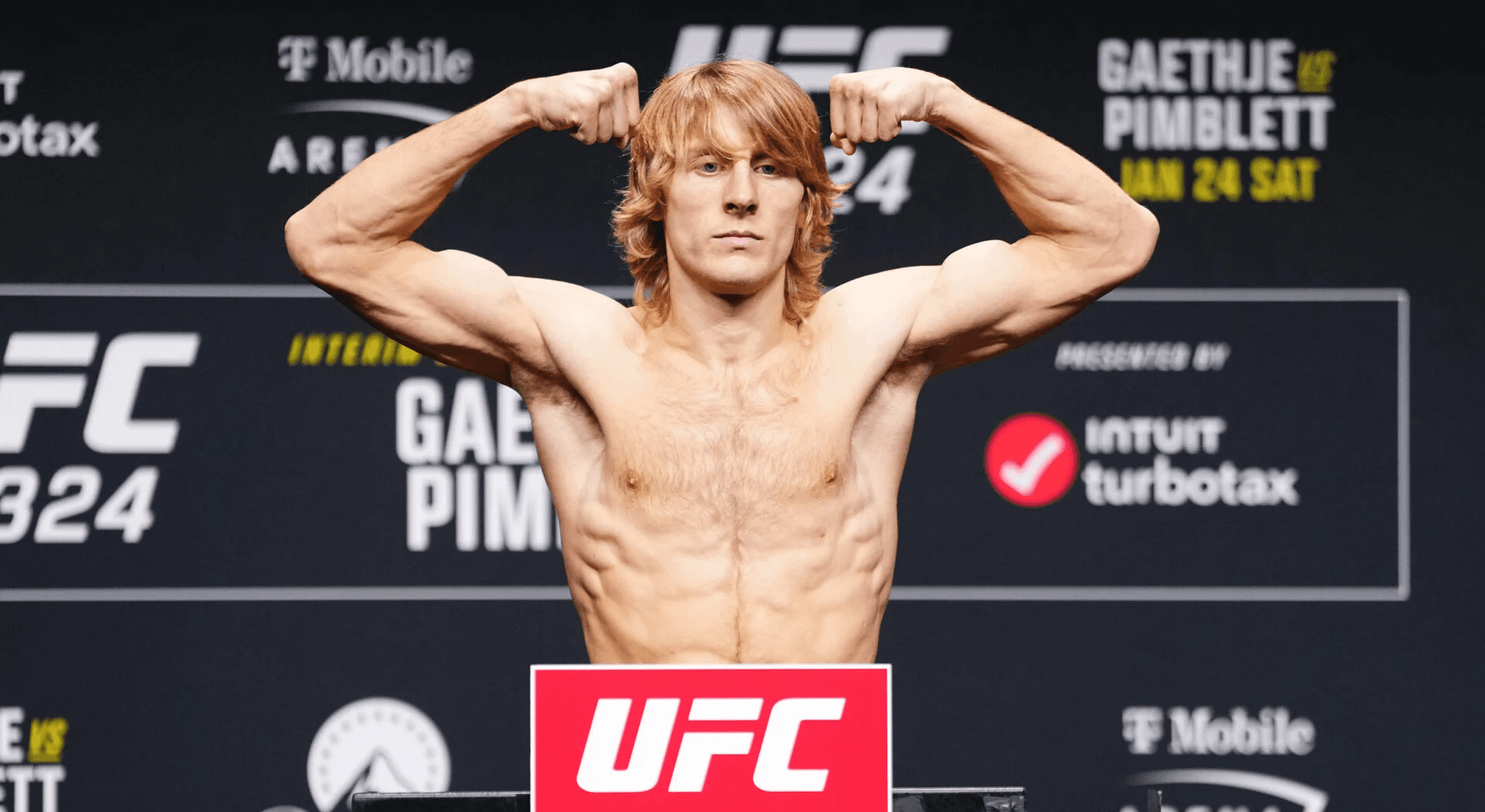
Paddy Pimblett says he expects to walk around as a heavyweight once he retires from the UFC, predicting he will eventually weigh as much as 250 pounds once he stops cutting to 155.
"The Baddy" made the comment on the Green Light Podcast while discussing how fast his body rebounds after a fight. Pimblett said he weighed in at 190 pounds just 36 hours after making 155 for his UFC 329 submission win over Benoit Saint Denis, and he has continued to add weight since. "A week later, I look like a different person," Pimblett said. "It's mad. I can't help it. I just love food too much." He put a number on where his body is headed long term. "I reckon when I'm retired, I'm going to be weighing Heavyweight," he said. "I'm still fighting now and I'm about 200, 205 pounds. Getting up to 250 is not going to be a bother for me."
Why Pimblett's Weight Swings Matter for His Lightweight Run
Pimblett's ballooning frame between fights has drawn criticism for years, but it hasn't slowed him down in the cage. He finished Benoit Saint Denis in 52 seconds at UFC 329, a result that pushed his record to 24-4 and put him inside the top 10 of the lightweight rankings. Walking around 50 pounds heavier than his fight weight within weeks of competing is extreme even by UFC standards, where fighters routinely cut 15 to 20 percent of their body weight to make championship weight classes. Pimblett's size on fight night has become a real weapon against smaller, more traditional 155-pounders, and it's a big reason fans keep pushing for a fight with Ilia Topuria, who moved up from featherweight and knocked out Charles Oliveira to win the lightweight title at UFC 317. If that fight ever comes together, Pimblett's frame would be one of the biggest variables in how it actually plays out.
The tradeoff is the one every big lightweight eventually faces. Cutting from a heavyweight-adjacent walking weight down to 155 carries real risk, and that risk doesn't always show up on schedule. A fighter can look dominant for fight after fight and then miss weight or fade late without much warning. None of that has caught up to Pimblett yet. He's riding his best stretch of form as one of the sport's biggest young stars.
What This Means for the Betting Market
Sportsbooks and bettors already treat Pimblett's size as a legitimate in-cage edge rather than a punchline, and his climb up the lightweight rankings backs that up against ranked competition. If a Topuria fight ever gets made, expect Pimblett's physical advantage to be a central factor in how oddsmakers build that line, since a naturally bigger 155-pounder facing a fighter who spent most of his career at featherweight isn't a common matchup at this level. Until something is actually booked, this is a data point on Pimblett's profile rather than a line with a number attached to it.
Frequently Asked Questions
What did Paddy Pimblett say about fighting at heavyweight?
Paddy Pimblett said on the Green Light Podcast that he expects to weigh as much as 250 pounds and compete at heavyweight once he retires from active UFC competition.
How much weight does Paddy Pimblett gain after fights?
Paddy Pimblett said he was back up to 190 pounds about 36 hours after weighing in at 155 pounds for his UFC 329 win over Benoit Saint Denis, and continued gaining weight in the weeks after.
What is Paddy Pimblett's UFC record after UFC 329?
Paddy Pimblett improved to 24-4 after submitting Benoit Saint Denis in 52 seconds at UFC 329, a result that moved him into the top 10 of the UFC lightweight rankings.