Sam Langford: Why Boxing's Best Never Got a Title Shot
Sam Langford never won a world title, but his feared record across weight classes makes him boxing's greatest champion who never was.
This article was generated with AI assistance and reviewed by our editorial team.
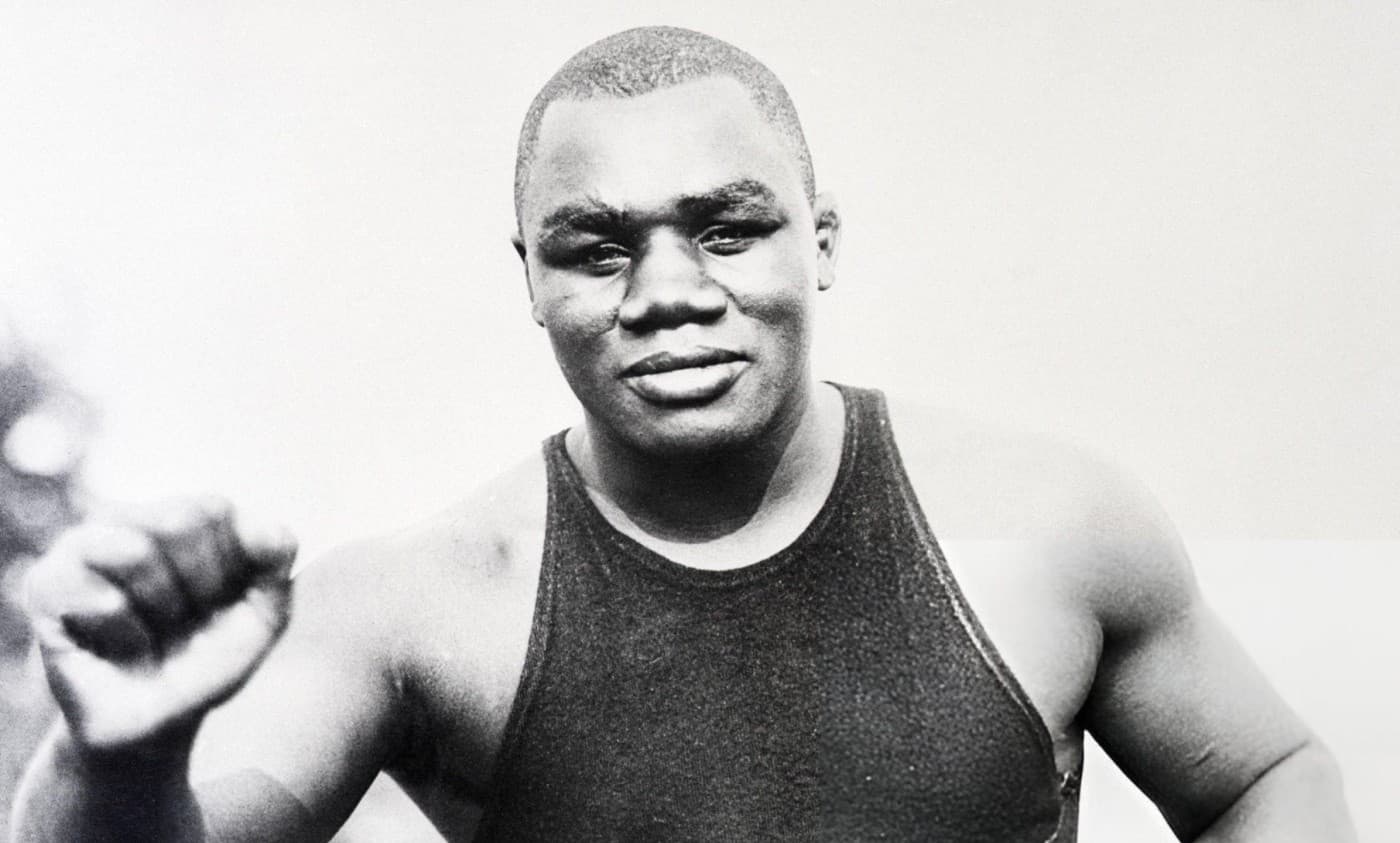
Sam Langford never fought for a universally recognized world championship despite compiling one of the most feared résumés in boxing history, and more than a century later he still stands as the sport's strongest case for greatest fighter to never wear a title belt.
Langford turned pro in 1902 and fought until 1926, campaigning everywhere from lightweight to heavyweight despite standing just 5 feet 7 1/2 inches tall. His official ledger is messy by modern standards because newspaper decisions from that era were recorded inconsistently, but the names on it are not in dispute. He beat lightweight champion Joe Gans in a non-title bout in December 1903. Less than a year later he fought welterweight champion Joe Walcott to a 15-round draw in Manchester, New Hampshire, with a number of ringside reporters thinking Langford had done enough to win outright.
Why didn't Sam Langford get a heavyweight title shot?
The color line kept Langford out of the sport's biggest fight for the better part of two decades. On April 26, 1906, a 156-pound Langford challenged Jack Johnson for the World Colored Heavyweight Championship in Chelsea, Massachusetts, and lost a clear 15-round decision to a Johnson who outweighed him by nearly 30 pounds. Once Johnson became the first Black heavyweight champion of the world, he never gave Langford a rematch. That pattern repeated itself with Jack Dempsey. Even after Langford's eyesight had deteriorated badly and he was fighting half-blind in the early 1920s, he still pushed for a shot at Dempsey, and Dempsey's manager Jack Kearns steered his fighter away from him in favor of softer opposition. Dempsey later admitted in his autobiography that Langford was the one man he refused to face, saying, "I was afraid of Sam Langford."
Shut out of a unified title shot, Langford and his Black heavyweight contemporaries were left to fight each other over and over. He met Harry Wills 18 times, Sam McVea 15 times, Joe Jeannette 14 times, Jeff Clark 13 times and Jim Barry 12 times, a level of repeat business no modern fighter would ever be asked to sign up for. He also beat Young Peter Jackson, Jack Blackburn, George Cole, Dixie Kid, Stanley Ketchel and former light heavyweight champion Philadelphia Jack O'Brien along the way. He picked up whatever recognition the era would allow him, including a 20-round win over Jeannette in Paris in December 1913 that carried a heavyweight title from the French Boxing Federation, plus versions of the World Colored Heavyweight Championship and titles in Australia and Mexico.
What Langford's story means for how fans judge "greatest ever" arguments
Langford is the reminder that a champion's résumé and a legend's résumé are not always the same document. Boxing history is full of fighters whose place got decided by matchmaking and politics rather than what happened between the ropes, and Langford is the extreme version of that problem, a man good enough that a reigning heavyweight champion admitted fearing him, yet never allowed to settle it in a title fight. For bettors and historians alike, his career is a useful check on résumé-only thinking. Records built entirely on paper decisions and title reigns can undersell fighters who were simply denied access, and Langford's fight-everyone, fear-no-one path through six weight classes argues he belongs in any conversation about boxing's most avoided man.
Frequently Asked Questions
Did Sam Langford ever win a world championship?
Sam Langford never won a universally recognized world title, but he did win regional and organizational heavyweight championships, including a French Boxing Federation title after beating Joe Jeannette in Paris in 1913, plus versions of the World Colored Heavyweight Championship.
Why didn't Jack Johnson give Sam Langford a rematch?
Jack Johnson beat Sam Langford by decision in 1906 before becoming heavyweight champion, and once Johnson won the world title he never fought Langford again, even as Langford grew bigger and more experienced.
Why was Jack Dempsey afraid of Sam Langford?
Jack Dempsey wrote in his autobiography that Sam Langford was the one fighter he refused to face because he believed Langford would knock him out, and Dempsey's manager Jack Kearns later blocked a fight with Langford even after Langford's eyesight had declined.