Canelo-Kovalev 185lb Clause Resurfaces in Record Debate
Canelo Alvarez's Kovalev win faces new scrutiny over the 185-pound rehydration clause from their 2019 title fight.
This article was generated with AI assistance and reviewed by our editorial team.
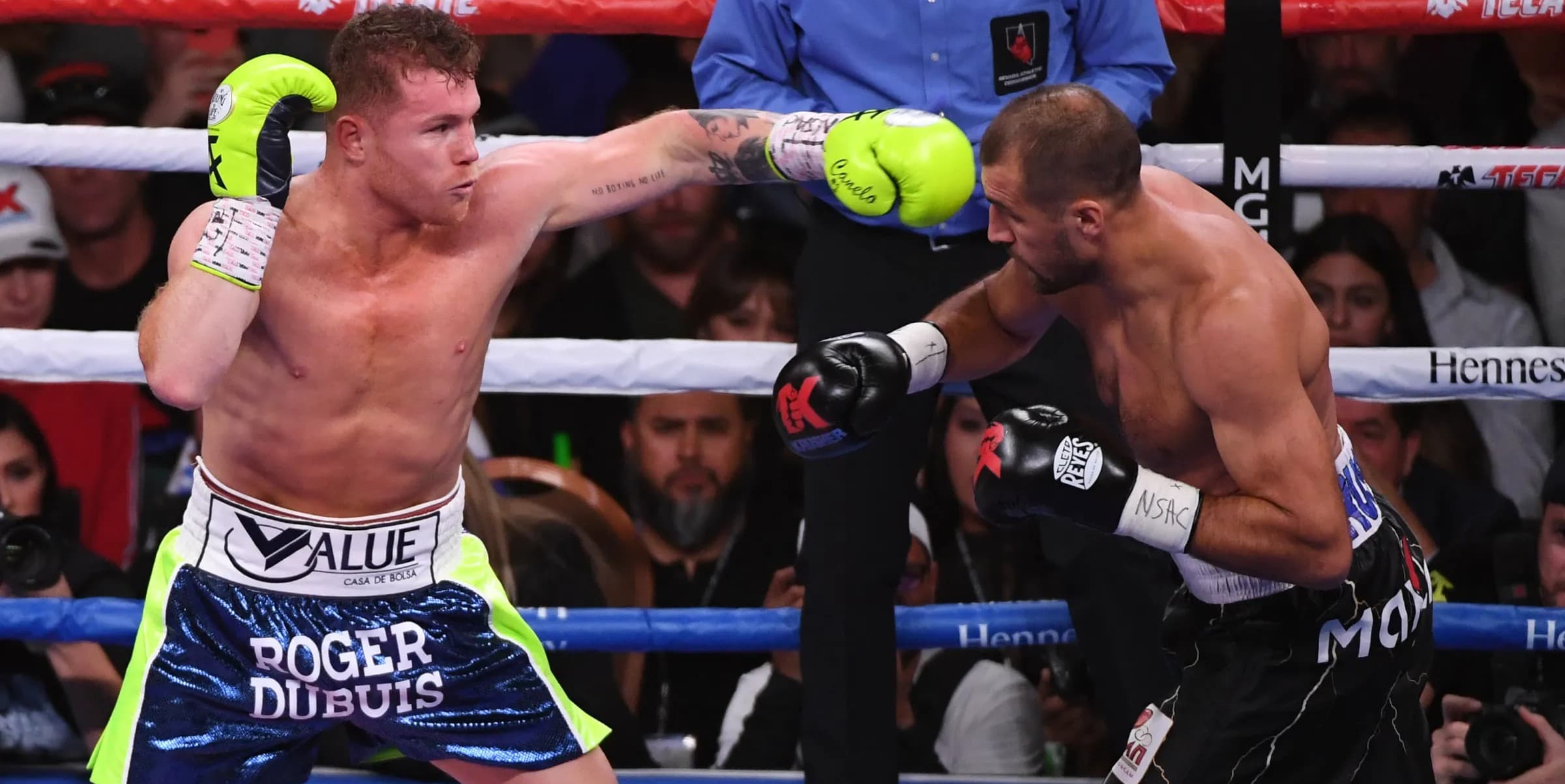
Canelo Alvarez's knockout win over Sergey Kovalev is at the center of a renewed push to formally document the 185-pound rehydration clause both fighters agreed to for their November 2, 2019 light heavyweight title fight.
The bout happened at the full 175-pound championship limit, with no catchweight attached. But the contract included a second weigh-in on fight morning that barred either man from coming in above 185 pounds, a restriction that capped how much Kovalev could rehydrate before facing Canelo Alvarez in the ring that night. Canelo stopped Kovalev to capture the WBO light heavyweight title, jumping up two weight classes to do it, a result that's been held up for years as one of the most impressive feats of his career.
The argument now being made is a simple one: that achievement deserves a footnote, not an asterisk. The push isn't to diminish the knockout, Kovalev still had plenty of time to add weight before fight night even under the cap, and nobody's suggesting he wins the fight without the rule. It's that a flat 185-pound limit doesn't land the same on a naturally bigger light heavyweight as it does on a middleweight moving up, and that gap in sacrifice is the kind of contractual detail record books exist to preserve. The comparison being drawn is to how Major League Baseball handled Roger Maris's 61 home runs in 1961, tracked separately from Babe Ruth's mark for three decades without erasing the record itself.
Why This Matters for Canelo's Legacy
Canelo Alvarez built his reputation partly on taking fights other champions wouldn't, and the Kovalev win is Exhibit A for that case. But the win also happened on terms Canelo's camp negotiated from a position of massive leverage. A mandatory challenger with no box-office pull doesn't get a reigning champion to agree to a same-morning weight cap designed to limit how much bigger he can get by fight time. That's not a knock on Canelo's finishing ability in the ring, he closed the show emphatically, but it is a reminder that the size gap fans marveled at was smaller than a true catchweight-free fight would have produced.
The Betting Read
For bettors, the real lesson isn't about re-litigating a fight from six years ago, it's about reading rehydration clauses the same way every time they show up in a contract, regardless of which side benefits. When a bigger puncher moving up in weight gets a same-day weight cap attached to the deal, that's a market-moving detail worth knowing before the odds get set, not just a footnote for after the fact. Fighters with Canelo's drawing power have consistently been able to write favorable terms into these megafights, and sharp bettors who track those clauses tend to have a clearer picture of the real physical matchup than the standard tale-of-the-tape suggests.
Frequently Asked Questions
What was the rehydration clause in the Canelo Alvarez vs. Sergey Kovalev fight?
Canelo Alvarez and Sergey Kovalev agreed to a contractual term capping both fighters at 185 pounds on a same-day fight morning weigh-in for their November 2, 2019 bout, even though the fight itself was contested at the full 175-pound light heavyweight limit.
Did Canelo Alvarez beat Sergey Kovalev?
Yes, Canelo Alvarez knocked out Sergey Kovalev on November 2, 2019 at the MGM Grand Garden Arena in Las Vegas to win the WBO light heavyweight title, moving up two weight classes to do it.