Lou DiBella: Hearn, Warren Let TKO's Wolf Into Boxing
Lou DiBella says Eddie Hearn and Frank Warren opened the door for TKO's rise in boxing amid Shakur Stevenson fallout.
This article was generated with AI assistance and reviewed by our editorial team.
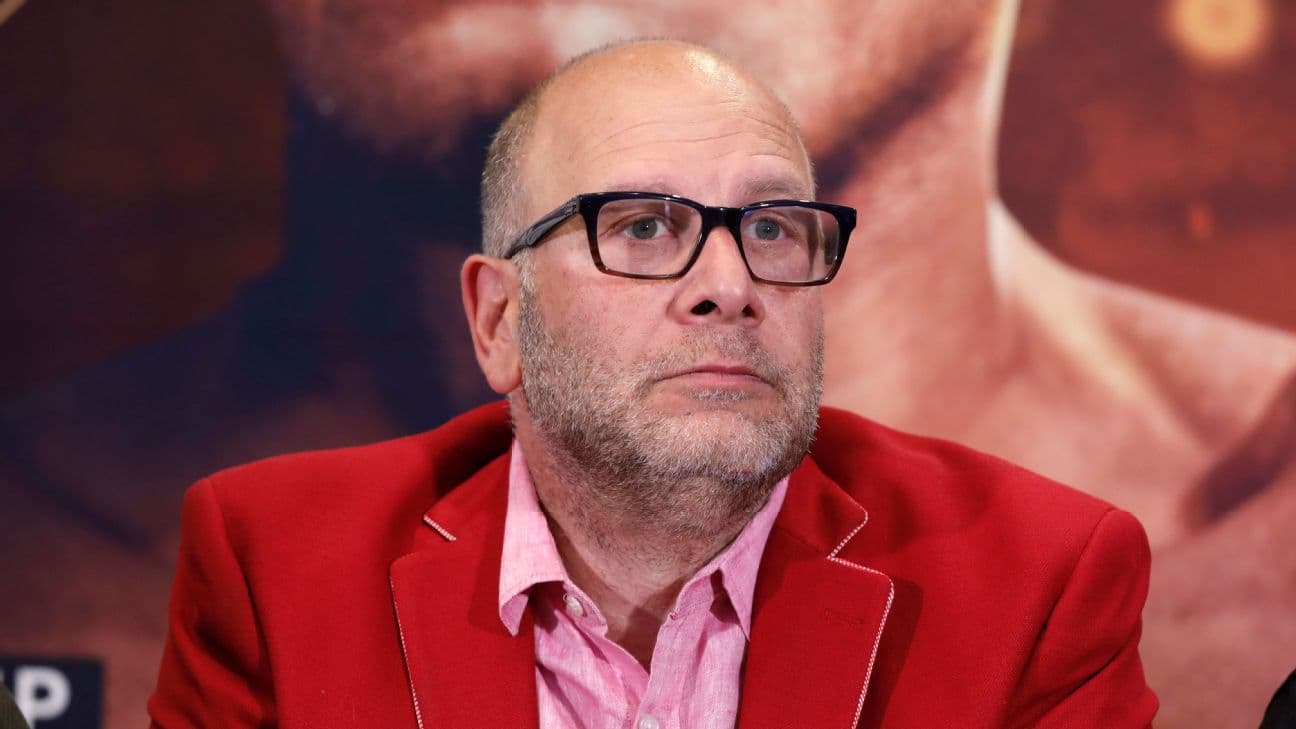
Lou DiBella says Eddie Hearn and Frank Warren have no business celebrating TKO's rocky entrance into boxing because they are the ones who invited Saudi money and Zuffa's influence into the sport in the first place.
DiBella, the longtime promoter and former HBO Sports executive, pushed back on the wave of criticism aimed at Zuffa Boxing after Shakur Stevenson's messy promotional free agency became a talking point for rival companies. Speaking to Total Boxing, DiBella argued that pointing out TKO's struggles does nothing to fix the actual problems facing Golden Boy, Top Rank, Matchroom or Queensberry.
"Is Eddie all of a sudden thriving? Does he have no worries? Is Oscar and Golden Boy great? Is Top Rank's business getting better? Is anything changing?" DiBella said.
Who Let TKO Into Boxing, According to DiBella
DiBella puts the blame for Zuffa's rise squarely on Hearn and Warren, saying they opened the door to the Saudi-backed money that built TKO's leverage in the sport. "Who's most responsible for letting the wolf into the hen house of boxing promotion? It's Eddie Hearn and Frank Warren," he said. His point is that both promoters cashed in on Saudi-funded super-cards for years, and that money gave outside interests the connections and credibility to eventually come in and compete directly for fighters and broadcast deals. Taking shots at Dana White's operation now, DiBella suggests, ignores that Hearn and Warren built the on-ramp themselves.
Does Shakur Stevenson's Free Agency Actually Hurt Zuffa?
DiBella does not think Stevenson becoming a free agent is the gut punch rival promoters are selling it as. Any company that wants Stevenson still has to find him a credible opponent, fund a real broadcast budget and generate enough interest to justify what he's expecting to get paid. DiBella's framing is that landing a star on the open market is the easy part. Financing and selling his next fight is where the real promotional work, and risk, begins. He also noted that despite the noise around Zuffa's early stumbles, TKO still holds structural advantages that are hard to compete with, including stronger political and business connections and the best North American television deals in the sport.
Betting Angle
For bettors, the real takeaway is stability, or the lack of it, around where and when Stevenson fights next. Until a promoter actually locks him into a date with a broadcast partner, there is no fight to price, and DiBella's comments suggest that process could drag given the purse and opponent Stevenson will command. The bigger market implication is longer term: if TKO keeps absorbing top free agents while still lacking the matchmaking infrastructure of Top Rank or Matchroom, expect choppier fight cards and less predictable styles matchups out of Zuffa events, which tends to widen opening lines until a track record builds. DiBella's larger point, that TKO still has superior TV real estate and political capital, also means Zuffa cards are likely to keep getting mainstream promotion and exposure even through a bumpy build, which matters for liquidity and line movement on its future shows.
Frequently Asked Questions
What did Lou DiBella say about Eddie Hearn and Frank Warren?
Lou DiBella said Eddie Hearn and Frank Warren are most responsible for letting Zuffa and Saudi-backed money into boxing, calling it letting "the wolf into the hen house" of the sport's promotional business.
Why is Shakur Stevenson's situation connected to this story?
Shakur Stevenson's exit from his promotional deal became a talking point for rival promoters criticizing TKO's Zuffa Boxing, prompting Lou DiBella to argue that free publicity from the chaos does not solve those same promoters' own business problems.
Does Lou DiBella think TKO's Zuffa Boxing is struggling?
Lou DiBella acknowledges Zuffa Boxing has had early growing pains but says it still holds major advantages in political connections and North American television deals compared to traditional promoters.