Cuba's Boxing Divide: Pros vs. Olympic Legends
Cuban boxing's greatest fighters split between pros like Erislandy Lara and Olympic legends Stevenson and Savon. See who bridged the gap.
This article was generated with AI assistance and reviewed by our editorial team.
Cuban boxing's greatest fighters split into two camps that never had to answer to each other, professionals who chased world titles abroad and Olympic legends who never turned pro at all, and that 1962 dividing line still shapes every argument about who's the best the island ever produced.
The split traces back to a single political decision. Cuba banned professional boxing in 1962, and every fighter born after that point who wanted a pro career had to leave the country to get one. Everyone before it operated in a different sport entirely, one built on world titles and paydays rather than Olympic four-year cycles.
Who were Cuba's best professional boxers?
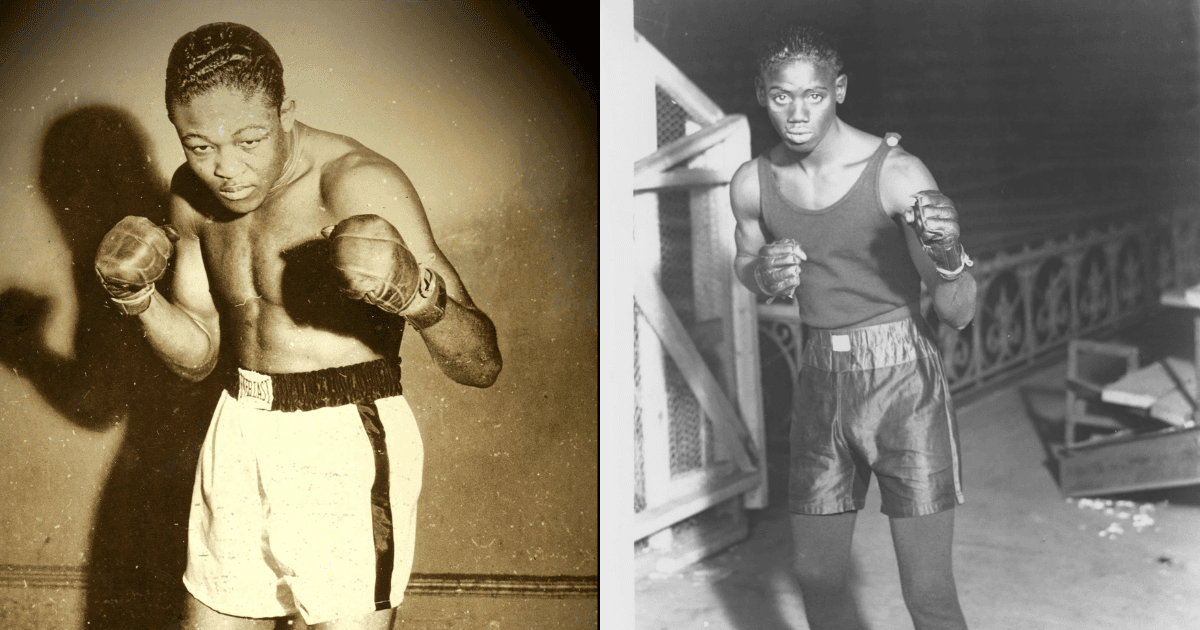
Kid Chocolate and Kid Gavilan built their entire careers in the era before the ban, fighting in the sport's biggest arenas against the best available competition. Kid Chocolate was a major New York attraction in the 1930s, admired for his speed and two-handed punching, while Kid Gavilan won the welterweight title and made the bolo punch his signature. Luis Rodriguez kept that professional tradition alive into the 1960s, beating Emile Griffith for the welterweight title in 1963.
Once the ban took hold, the path got harder but not impossible. José Nápoles became a welterweight champion after making his home in Mexico, and José Legrá won the featherweight title while based in Spain. More recently, Erislandy Lara left Cuba to chase professional titles, and his December 2025 defense of the WBA middleweight title is proof that fighters willing to leave the island can still land at the top of a real world title picture.
What did Cuba's Olympic program produce instead?
Cuba's amateur system, built under longtime coach Alcides Sagarra, turned out some of the most dominant Olympic boxers in history. Teófilo Stevenson won heavyweight gold in 1972, 1976 and 1980, and Félix Savón matched that run with heavyweight gold in 1992, 1996 and 2000. Neither man ever fought as a professional, so their legacies rest entirely on amateur dominance rather than any twelve-round résumé.
That's where the real debate lives for fight fans: nobody gets to see how Stevenson or Savón would have handled a genuine professional puncher over twelve rounds, because they never had to find out.
Guillermo Rigondeaux is the closest thing to an answer. He won Olympic gold in 2000 and 2004 under that same Cuban amateur system, then left the island and turned pro. In 2013 he beat Nonito Donaire in a super bantamweight title fight, controlling distance and making a dangerous puncher miss again and again. Donaire was an established, legitimate champion at the time, and Rigondeaux's amateur foundation translated directly into a professional ring against him.
Betting Angle
There's no fight on the books here, but the Rigondeaux precedent is worth remembering any time a heavily decorated amateur out of Cuba's system turns pro and books an early crossover fight against a name opponent. Markets tend to price these matchups off the amateur's gaudy medal count, but Rigondeaux's win over Donaire is the actual data point, not the medals themselves, and it's the closest thing this argument has to a betting-relevant precedent. Fighters carrying that same Cuban amateur pedigree have historically been live, not just decorated, when they step up against professional opposition.
One fight can't settle whether Stevenson or Savón would have beaten the champions of their day. But Rigondeaux gives the Cuban Olympic system's biggest defenders something firmer than speculation, and Lara's continued success at middleweight shows the professional side of that 1962 divide is still producing champions today.
Frequently Asked Questions
Why didn't Teofilo Stevenson and Felix Savon ever fight as professionals?
Cuba banned professional boxing in 1962, so Teofilo Stevenson and Felix Savon spent their entire careers in the Olympic amateur system rather than turning pro.
Did any Cuban Olympic champion prove himself against professional world champions?
Guillermo Rigondeaux, a two-time Cuban Olympic gold medalist, left Cuba to turn pro and beat Nonito Donaire in a 2013 super bantamweight title fight, giving fans a real test of the Cuban amateur system against elite professional competition.
Is Erislandy Lara still competing as a professional boxer from Cuba?
Yes, Erislandy Lara defended the WBA middleweight title in December 2025, showing that Cuban fighters who leave the island to turn pro can still reach the top of the sport.